
Introducing Learning Maltese
Maltese as a Foreign Language for JUNIORS
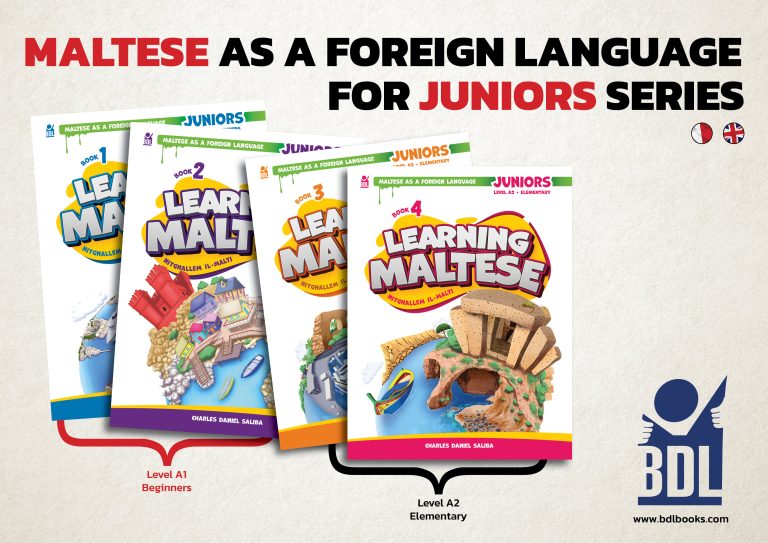
We are thrilled to introduce new Learning Maltese books, specifically designed for children between the ages of 6 and 12. These books are perfect for young learners eager to explore the Maltese language in a fun way. Get ready for engaging language learning adventures!
FREE additional online resources include audio tracks and answers.
Learning Maltese Book 1

A comprehensive beginner’s guide to learn the Maltese language and culture in a bilingual Maltese-English format. It covers the basics in an easy-to-follow manner.
- Learn the Maltese alphabet and master its sounds.
- Build your vocabulary with basic word families.
- Master basic grammar rules using a thematic approach.
- Use the Learning Outcomes section to verify your achievement of unit aims.
Learning Maltese Book 2

A continuation guide for beginner learners that builds on Book 1, focusing on progressive learning of the Maltese language and culture in a bilingual format.
- Learn the Maltese language through a thematic approach.
- Build vocabulary while learning basic grammar rules.
- Further familiarize yourself with Maltese culture.
- Use the Learning Outcomes section to verify your achievement of unit aims.
Learning Maltese Book 3
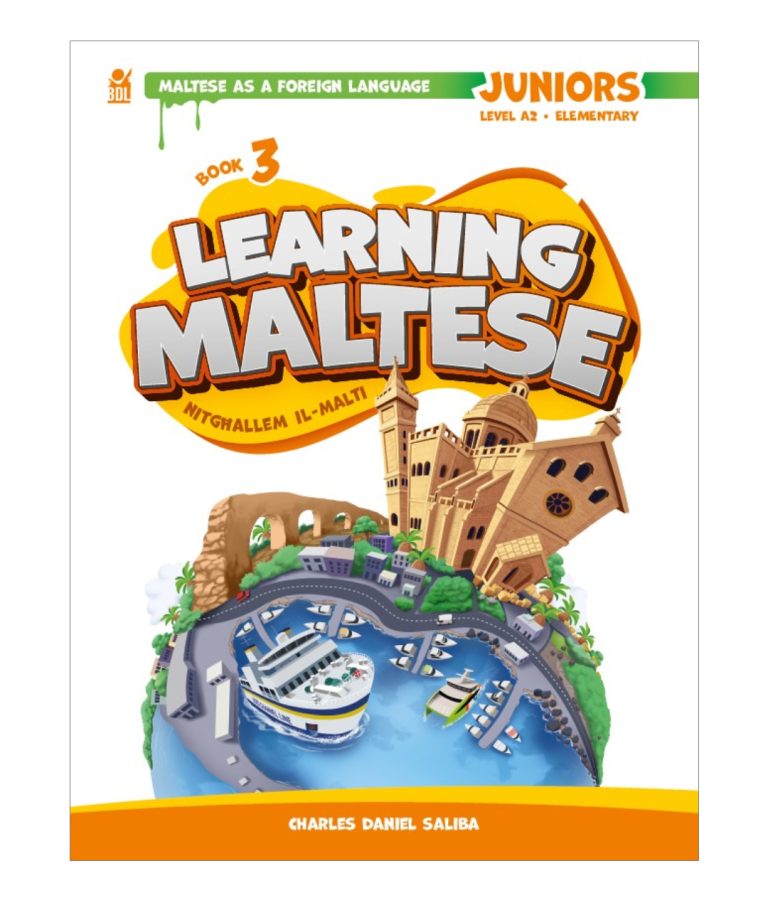
A continuation guide for beginner learners that builds on Book 1, focusing on progressive learning of the Maltese language and culture in a bilingual format.
- Learn the Maltese language through a thematic approach.
- Build vocabulary while learning basic grammar rules.
- Further familiarize yourself with Maltese culture.
- Use the Learning Outcomes section to verify your achievement of unit aims.
Learning Maltese Book 4
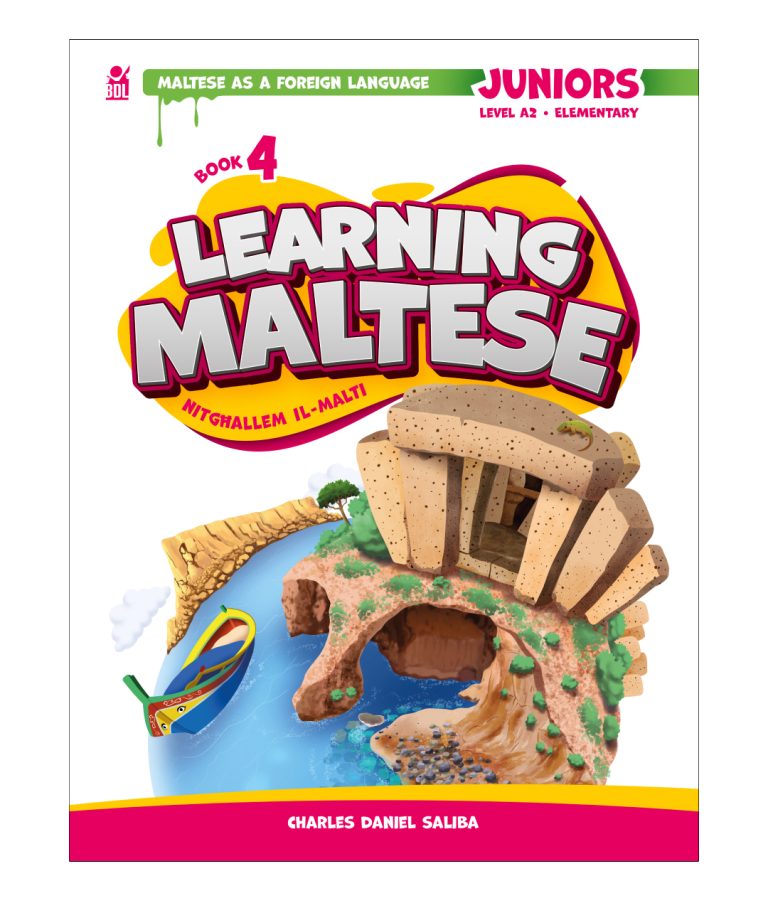
A continuation guide that builds on Book 3, focusing on progressive learning of the Maltese language and culture in a bilingual format.
- Learn the Maltese language through a thematic approach.
- Build vocabulary while learning basic grammar rules.
- Further familiarize yourself with Maltese culture.
- Use the Learning Outcomes section to verify your achievement of unit aims.
Maltese for Foreigners Series

We currently have a wide selection that caters to a variety of adult learners, offering materials that range from beginner to intermediate levels. Additionally, we have specialized resources for medical professionals and beginner versions available in both Italian and German.
Level A1 for English Speaking Learners

This level is made up of three bilingual books (Maltese-English) with different aims. The first one teaches basic Maltese vocabulary encountered in daily life in an easy-to-follow format. The second is a grammar in context which teaches
Maltese grammar using various readings and situations commonly
encountered in daily life. The third one contains 22 realistic dialogues, with
parallel translations, to help learners learn Maltese, improve their reading
and listening skills.
Books can be purchased individually or in a set.
Level A2 for English Speaking Learners

These three bilingual books (Maltese-English) are designed like the previous set, but span the elementary to pre-intermediate level. These offer exercises to enhance speaking, reading, writing, and listening skills. These are suitable for elementary-pre-intermediate courses, individual study, groups, or classroom use. They aid learners in discovering the language, enriching their vocabulary, learning grammar, vocabulary and expressions, and exploring Maltese culture and geography.
Books can be purchased individually or in a set.
Level B1 for English Speaking Learners

Listed above are the intermediate books. The first three books are designed like the previous levels but cover the intermediate stage. They include specialised terms, idioms, and proverbs, and grammar in context using intermediate level readings with exercises and activities. They also include realistic dialogues with parallel translations to help learners improve their reading, listening, and speaking skills without needing a dictionary. The other two books are bilingual readers.
Reality comprises ten short stories with parallel translations to aid in learning Maltese and enhancing reading and listening skills, providing enjoyable reading without constant reliance on a dictionary. Additionally, it addresses contemporary youth issues such as substance abuse, body image concerns, and family problems, while also providing information on Maltese support agencies for those facing such challenges. Rocco Learns Karate is a storybook of nine chapters with parallel translations, designed to help you learn Maltese and improve your reading and listening skills while enjoying the content.
Books can be purchased individually or in a set.
Maltese per stranieri – Livello A1
Maltese for Foreigners- Level A1 (Maltese-Italian)

The number of Italians and Sicilians living on the Maltese archipelago increased significantly and for this reason, Dr Saliba has translated Level A1 of the Maltese for Foreigners series into a Maltese-Italian version: Le Mie Prime 750 Parole in Maltese, Grammatica Maltese Essenziale e Contestuale 1 and Parlo Maltese 1. They are a helpful tool to organise Maltese-language courses for the Italians living in Malta and for Semitic-language students studying for those purposes in Italian universities.
Books can be purchased individually or in a set.
Maltesisch für Ausländer – Niveau A1
Maltese for Foreigners- Level A1 (Maltese-German)

Since Maltese is a Semitic language, it has been taught in German universities for comparative purposes. For this reason, Dr Saliba has translated Level A1 of
the Maltese for Foreigners series into a Maltese-German version: Meine ersten 750 Wörter auf Maltesisch, Grundlagen der maltesischen Grammatik im Kontext 1 and Maltesisch sprechen 1. These books could be a helpful tool to organise Maltese-language courses for Germans living in Malta and also for people in German speaking countries such as Germany, Austria, Switzerland and Luxembourg.
Books can be purchased individually or in a set.
Maltese for Foreigners – Maltese for Specific Purposes: MEDICAL MALTESE

These books are designed to teach medical Maltese at an intermediate level to healthcare professionals, students, and foreigners. They provide easy-to-follow lessons with visual and pronunciation aids, covering medical vocabulary and expressions with exercises that enhance speaking, reading, writing, and listening skills. The grammar in context includes hospital scenarios to teach grammar in a practical, real-life context, with activities that improve vocabulary acquisition and communication skills. The books are dedicated to dialogues with translations to help learners improve reading, listening, and speaking skills, including important medical phrases and expressions.
Maltese for Foreigners CD / MP3

You can purchase this series’ companion CD and listen to each dialogue or Maltese words or phrases in standard Maltese being read by native speakers. The CD, saved in MP3 format for computer playback, contains over 1000 audio files and the complete syllabus for all the books in the entire Maltese for Foreigners series.
It is also available as a downloadable ZIP file saved in an MP3 format so it can be played on a computer. Follow this link here.
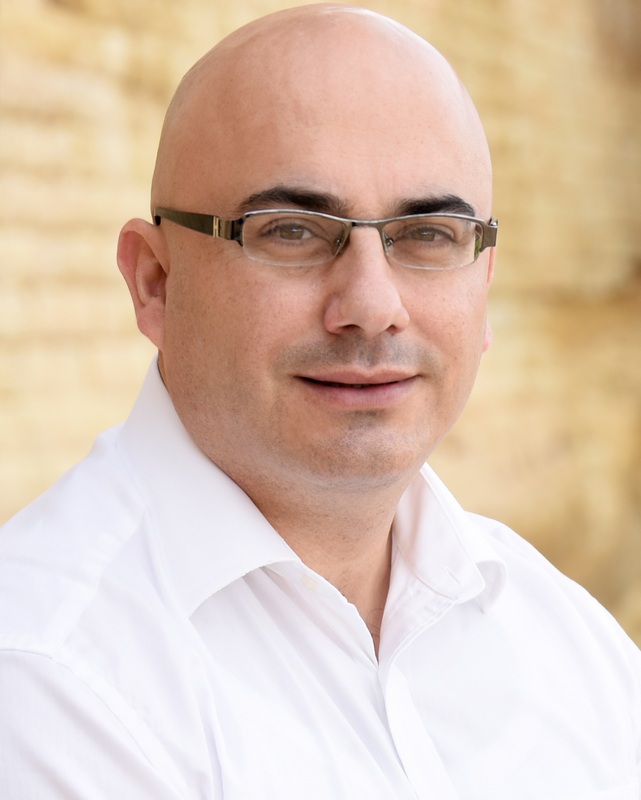
The Author
Dr Charles Daniel Saliba
B.Ed. (Hons.) Maltese, Dip. Arabic (Distinction),
BA Arabic (Summa Cum Laude), MA Arabic
Language & Linguistics, MA in Mediterranean
Historical Studies, PhD (Sheff.) UK
Read more:
https://www.charlesdanielsaliba.com
Mostbet je známý svou jednoduchou a rychlou registrací, která zabere jen několik minut.
With 1xbet, betting is fun and secure.
Aviator, sosyal özellikleriyle diğer oyuncularla etkileşim kurma fırsatı sunar.
Rebel Girl from Malta by Deborah Abela
My nanna Teresa was a Rebel Girl.
She was born in Malta, a small, beautiful island nation in the Mediterranean Sea. She raised her children in a modest apartment in the country’s capital, Valletta, until World War II brought war to their shores. The Axis powers, led by Adolf Hitler, wanted to conquer Malta, which became the most heavily bombed place of World War II. With the war raging around her, my nanna fought every day to find food and shelter and to keep her family safe.

She was brave, resilient, and strong.
During this war, my father was born in what I thought was a cave but later found out was an underground bomb shelter. As the sounds of another air-raid siren rang out, my very pregnant nanna rushed to the shelter, clutching the hands of her two older children. She gave birth to my dad in the damp, dusty, claustrophobic confines, surrounded by frightened Maltese people, who were all hoping the war would soon
be over.
Far away in Australia, the government needed to build schools, roads, and houses. They actively enticed migrants, particularly from Britain, to move to Australia for what they promised would be a safe, new start in life.
Malta never gave in to the German attacks, and after three long years, the country lay in ruins. Having aligned themselves with the British during the war, the Maltese were the first non-British people to be offered passage to Australia for a very small fee. My nanna and family were accepted, and they became part of a wave of over one million people who left Europe for Australia between 1950 and 1960.
The minister for immigration, Arthur Calwell, who called for the migration push, was also a supporter of the “White Australia” policy, which allowed only Europeans to move to the country. It also meant that people weren’t always welcoming of the new arrivals. My dad was a young dark-skinned boy who knew no English, and these differences meant he was picked on and bullied. He was called terrible racist names. The attacks were so bad, he lasted only a few years at school before he left.
Similar insults and taunts were thrown at me when I was young, which made me stubbornly determined not to be crushed by what other people thought of me. I also grew up in a time when girls weren’t expected to have careers, but I decided I wanted more from life. I wanted to be counted, to make my mark, to have a satisfying career, and to be exactly who I wanted to be – and nothing was going to stop me. I knew to do that, I’d need an education.
My nanna and my dad were denied their educations because of war, lack of money, and racism. But I was lucky. I lived in a country where education was required and free. I loved school and learning and reading from a very young age. Books especially offered a window on a wondrous world of possibilities. If I was depressed, frightened, or had a bad day, there were always books to save me and make everything feel better. Even though it seemed impossible for someone like me, I knew from the time I was little that I wanted to be an author.
I met a few people along the way who encouraged me and gave me the confidence to keep believing in myself.
One was my year 4 teacher, Meg Gray. Meg was fun, energetic, dedicated, creative, and a bit rebellious. She was like no other teacher I had ever met. She made school exciting. Each Monday she would give us our spelling words, and on Friday we would have the spelling Olympics, where she would pit the girls against the boys to see who could run to the board first and spell the next word correctly. She had this way of reading a story and knowing just when to stop to make us beg to know more. We had our own library of books we could borrow, and I read every one.
In high school my hero and champion was Miss Yates. She loved language and knew it was there to be relished, enjoyed, and respected. She also knew it was a key to a future filled with possibilities, and she wanted every one of us in her class to know this too.
I didn’t survive a war like my nanna, but she has been a role model for me. Her bravery ensured that I had access to education and books as a child. I have been an author since 2002 and have written almost 30 books. I have a life that is fulfilling and exciting and a career that surprises me and challenges me. It has led me to meet tens of thousands of children and their teachers all over the world. I am still learning every day. I hope Nanna Teresa would be proud.
Deborah Abela is an Australian children’s author, TV writer, and teacher.
Read More Stories about Rebel Girls HERE

Get the Kids Reading this Summer!

Summer is a fantastic time to inspire a love of reading in children. Research shows that just twenty minutes of reading per day can help them retain grade-level skills. Whether they are avid readers or reluctant ones, here are some helpful tips to ensure they stay engaged with books throughout the summer. Then check out our suggested summer reads below!
- Let them choose: Take a break from focusing on reading levels and let your child choose their own books. Whether it’s nonfiction, science fiction, fantasy, or humor, provide ready access to their preferred reading material. Representation and the chance to escape into another realm are key factors that engage pre-teens and teens.
- Talk about their books: Engage your child in conversations about what they’re reading. Ask them what they like about their books, which will encourage them to make connections and think critically. Summarizing and sequencing events will challenge their reading comprehension skills.
- Let them put down books: If your child is struggling or bored with a book, allow them to put it down. Reading should be fun, and the more they enjoy their books, the more likely they are to continue reading. Encourage them to try different titles until they find the perfect fit.
- Create an inviting reading space: Let your child choose their reading space and ensure it’s well-lit and comfortable. If they find themselves engrossed in a book past bedtime, be flexible and avoid asking them to stop reading.
- Incorporate reading into games: During family game nights, include word- and vocabulary-based games like Scrabble, Skrami and Mitomaġija. Completing crosswords or word puzzles in the morning is another opportunity for learning new words and practicing spelling.
- Encourage reading to younger siblings: Let your middle-grade child take over the nightly reading ritual for their younger sibling. This not only ensures they read regularly but also spreads the enthusiasm for stories.
- Visit the bookstore together: Make visiting the bookstore a regular event where you can spend quality one-on-one time with your child and discover new books together.
- Encourage journaling: Journaling is a skill-building activity that allows your child to record their observations, ambitions, problems, and solutions. Writing about their books helps them explore their interests and refine their book-reviewing techniques.
- Explore books based on popular media: Help your child discover books that continue the adventures of their favorite superheroes or characters from movies or TV series. These literary extensions can be enticing for reluctant readers.
- Embrace re-reading: Encourage and allow your child to re-read their favorite books. Each read offers an opportunity to find new words, contexts, and deeper enjoyment.
- Keep books within reach: Leave reading materials in various places like dining tables, sofas, bathrooms, playrooms, and cars. When a book is readily available, your child can easily pick it up and read.
- Embrace comics: Comics help with decoding and provide instant visual gratification that appeals to kids in today’s highly visual world.
- Start reading together: If your child has trouble getting started or finds books boring, support the experience by reading the first few pages or chapters to them.
- Use reading challenges and rewards: Incentivise reading by creating challenges or BINGO boards, or come up with treats or rewards to acknowledge their progress.
We hope these tips help you create a summer reading experience that your child will enjoy. Remember, the goal is to inspire a love for reading and allow them to explore their interests. Happy reading!
Children’s Classics


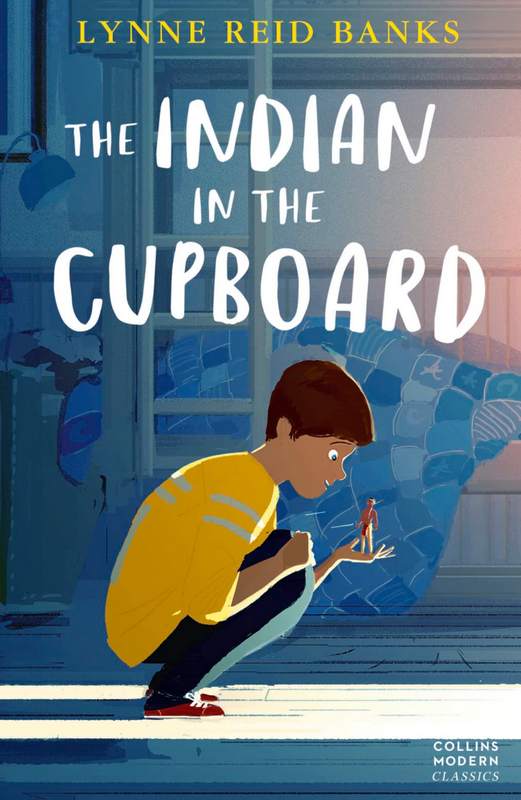

Magic and Fantasy


Historical Fiction


Humour


Adventure and General Fiction


Ċelebrazzjoni Ta’ Eċċellenza Letterarja
Hemm numru sabiħ mill-kotba tagħna li huma finalisti tal-Premju Nazzjonali Tal-Ktieb u l-Premju Terramaxka 2023, għall-kotba ppubblikati fl-2022.

L-aġġudikaturi ta’ din is-sena faħħru l-livell għoli tal-pubblikazzjonijiet mifruxa fost il-kategoriji kollha. Dawn huma l-finalisti tal-pubblikazzjonijiet ta’ BDL Publishing
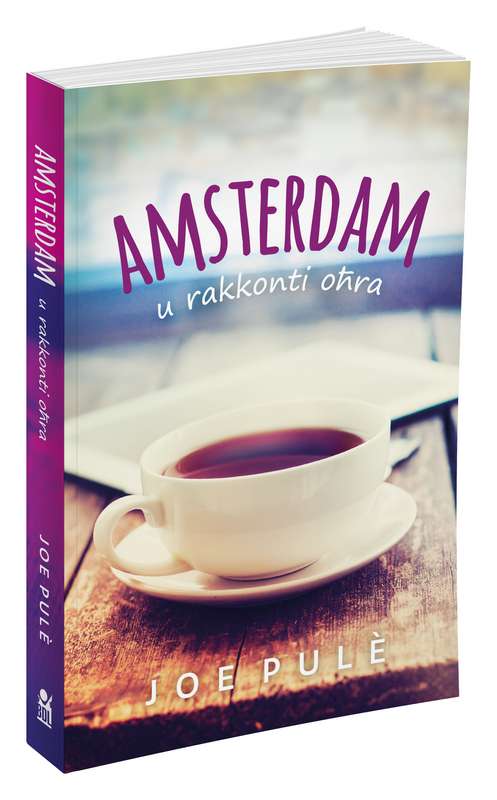
Novelli: Amsterdam u Rakkonti Oħra ta’ Joe Pulè
Riċerka Bijografika u Storjografika: Eddie: Is-Sewwa Jirbaħ Żgur ta’ Dione Borg, u Malta War Occurrences : The Police Logbooks 1940-1942 ta’ Jeffrey Sammut

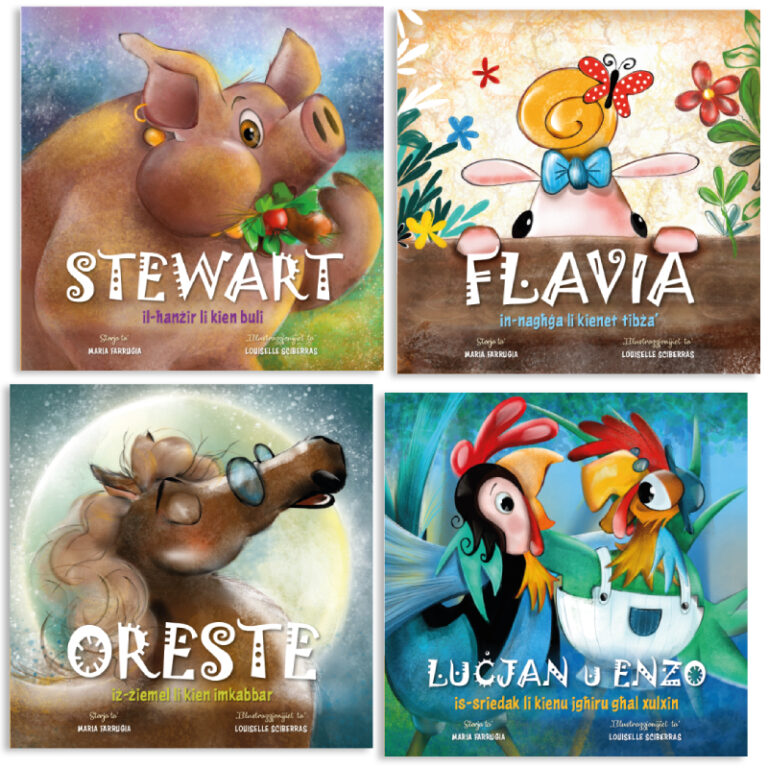
Xogħlijiet Oriġinali għal Tfal ta’ bejn 0–7 snin: Flavia: in-nagħġa li kienet tibża’, Luċjan u Enzo: is-sriedak li kienu jgħiru għal xulxin, Oreste: iż-żiemel li kien imkabbar, u Stewart: il-ħanżir li kien buli ta’ Maria Farrugia u Louiselle Sciberras (ill.)
Xogħlijiet Maqluba għall-Malti għal Tfal ta’ bejn 0–7 snin: Kieku Armadillo Jmur f’Ristorant (Ellen Fischer; Laura Wood ill.) u Kieku Ljunfant Imur l-Iskola (Ellen Fischer; Laura Wood ill.) ta’ Janet Mallia

STEM Learning
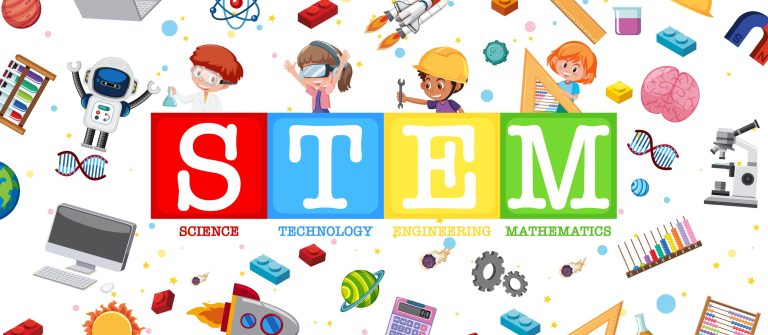
If you haven’t heard of STEM before, it stands for Science, Technology, Engineering and Maths, and refers to anything that exists within those realms. We’ve detailed what these subjects generally consist of below, though it’s worth mentioning that there are huge overlaps between them:
Science: This includes the obvious candidates such as biology, chemistry and physics, but also includes subjects such as psychology, geology and astronomy.
Technology: Perhaps the biggest and broadest of these subject areas, technology includes topics such as computer science, software development, AI and programming.
Engineering: This is not exhaustive but the four main areas of engineering are chemical, civil, mechanical and electrical engineering.
Maths: Although this includes geometry, fractions, algebra and statistics, it also encompasses subjects related to economics.
STEM learning aims to integrate all of these subjects, as opposed to teaching them as separate and disparate subjects.
Skills developed by students through STEM provide them with the foundation to succeed at school and beyond.
STEM encourages the development of key skills, including:
- problem solving
- creativity
- critical analysis
- teamwork
- independent thinking
- initiative
- communication
- digital literacy.
STEM Books for Ages 3 – 5
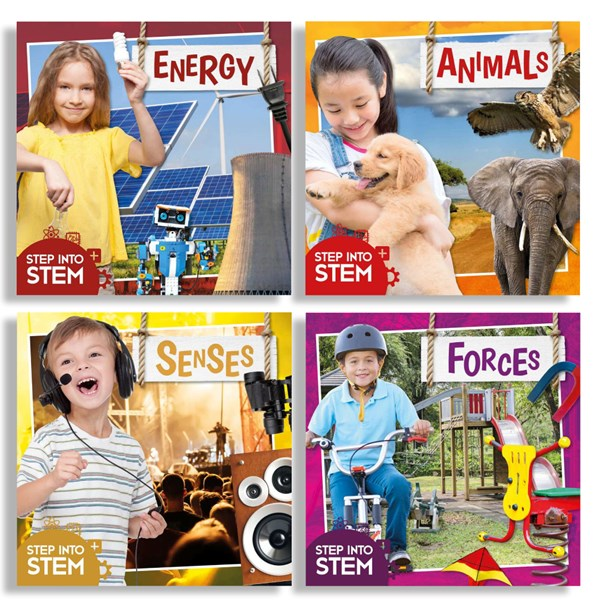
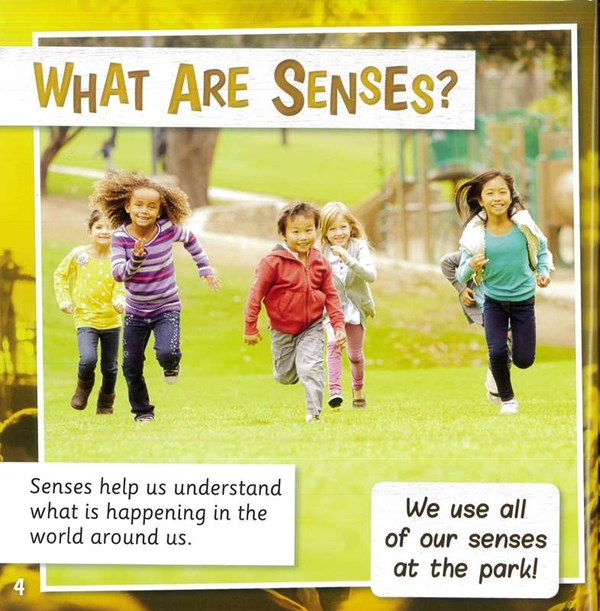
Use all your senses to discover the wonderful world of science in this beautiful photographic series. Little learners can explore the big wide world and the science behind the wonders it has to offer. From forces to feathered friends, come with us as we Step into Stem!
Bursting with fun facts and exciting examples, these books provide the most important information for your first steps into science, technology, engineering and maths.
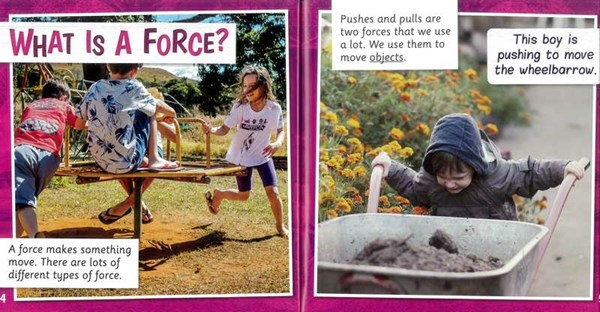

Once Upon a STEM: Have you heard the story of Jack? You know, the one where he plants the magic beans, and a giant beanstalk shoots up into the sky. Did you ever wonder what a scientist would make of that beanstalk? How about Rapunzel? Did you ever wonder what a scientist would think about people climbing up hair?
Well wonder no longer, because Professor Everafter is here, and he is going to put these fairy tales under the microscope.

STEM Books for Ages 4 – 8

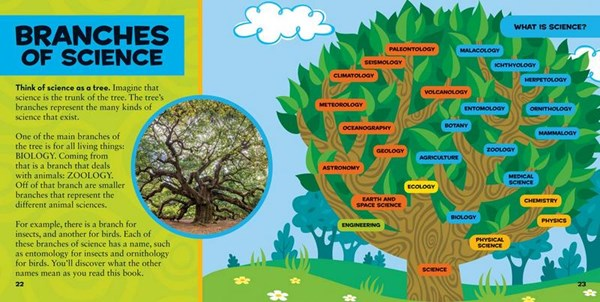
National Geographic’s Little Kids First Big Book of Science inspires kids to be curious, ask questions and explore the world around them — just like scientists.
Whether it’s keeping a journal of science experiments or exploring the ecosystem right in their own backyard, kids will get an exciting introduction to the basic branches of science, including life science, earth and space science, and physical science, as well engineering.
Packed with stunning photography, fun facts and interactive questions, this irresistible book focuses on high-interest topics that are written at a level appropriate for beginning readers or for reading aloud. Activities, games and simple experiments will also encourage hands-on learning, showing kids that anyone can use scientific observation and experimentation to be a scientist and explore the world around them.
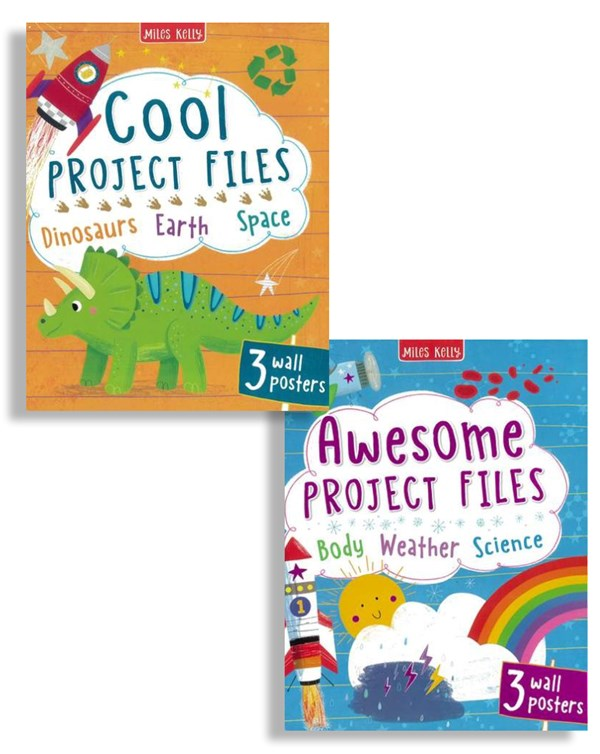
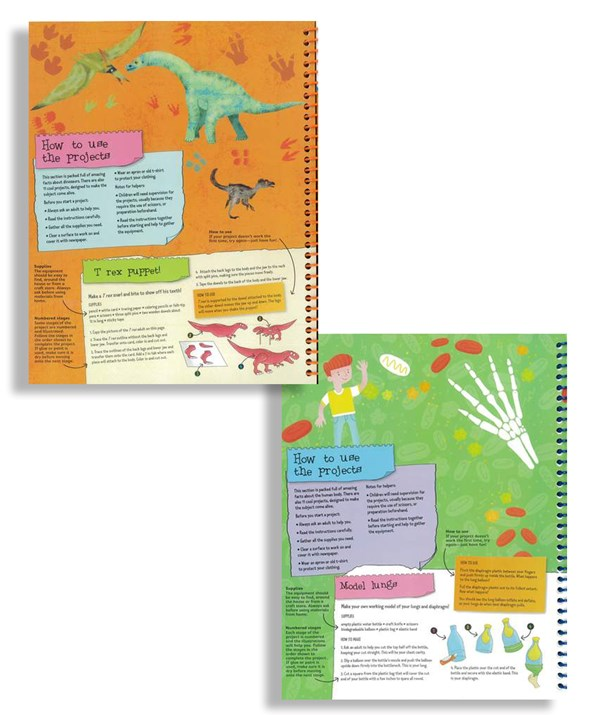
In the Project Files discover awesome facts and then delve deeper into these topics with hands-on projects! These books are recommended for ages 7+.
Get stuck into the core subjects of the human body, science, earth and more with lots of awesome hands-on activities. Flaps to lift and three spectacular fold-out feature spreads per book allow children to delve deeper into everything from how the brain works to why climate change occurs.
The projects include such things as building a weather vane, making a parachute, launching a balloon rocket and creating a tornado in a bottle.
STEM Books for Ages 9+
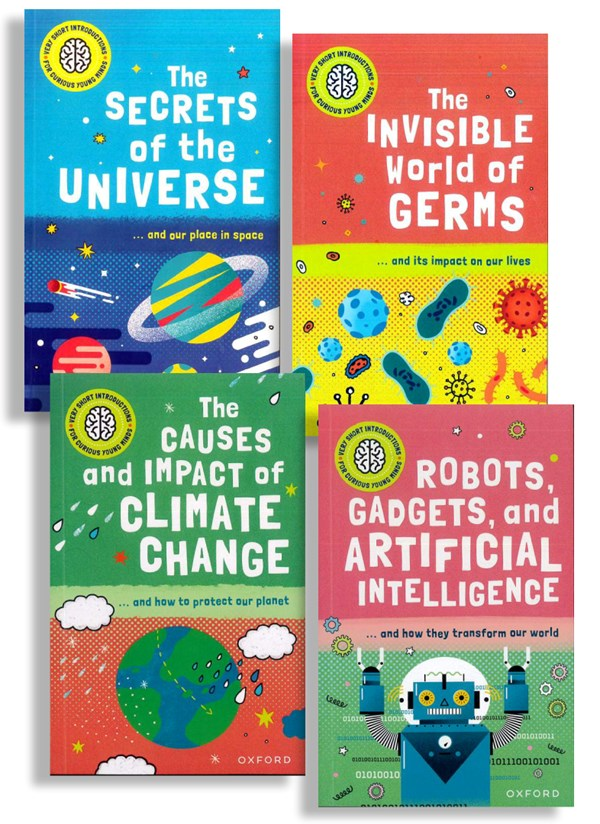
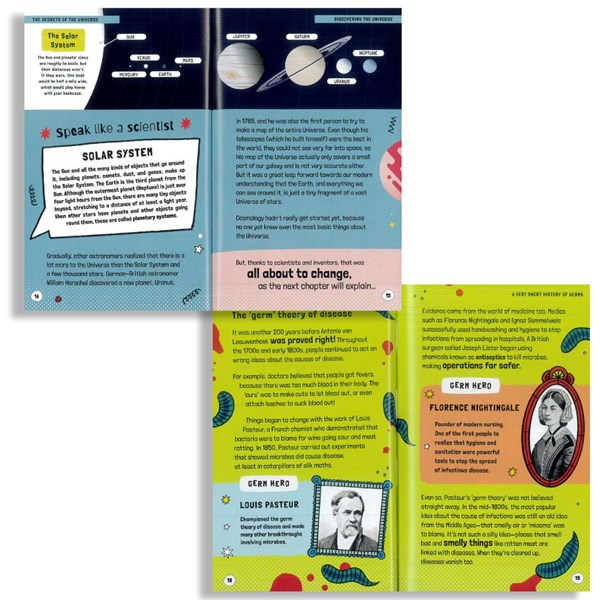
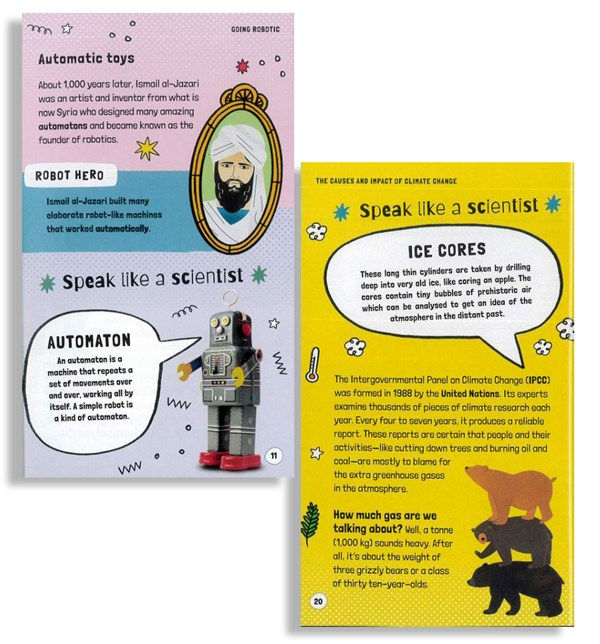
Very Short Introductions for Curious Young Minds is a new series of books by Oxford University Press.
They provide accessible introductions to the ideas, facts, and vocabulary behind an absorbing range of subjects. Meticulously researched and authoritative but written in simple language by experts in their fields, curious young readers will quickly get to grips with the basic principles and terminology of each subject.
Very Short Introductions for Curious Young Minds introduces diverse subjects from across the curriculum in a collectible format.
Help inspire young people to understand some of life’s more complex subjects, extending across the humanities, technology, social sciences, arts, earth sciences, computing, physics, engineering…
BDOT TALJAN LI MIET IL-KALKARA
Francesco Liberti

F’Malta,il-25 ta’ Lulju 1941 jimmarka ġurnata oħra mill-kalendarju minn meta Benito Mussolini kien iddikjara gwerra kontra l-Ingliżi u l-Alleati tagħhom.Il-Kalkara, Lulju huwa x-xahar meta tiġi ċċelebrata l-festa tal-patrun tagħha San Ġużepp. F’dik il-ġurnata, il-Kalkara u l-Kottonera kienu mgħottija taħt it-trab u duħħan kbir.Kien wieħed mill-ikbar raids li qatt saru mit-Taljani f’dak iż-żmien meta Malta kienet għadha tiġi attakkata mill-Italjaqabel ma Benito Mussolini talab lill-Ġermaniżi u Luftwaffe biex tidħol Sqallija.

Dakinhar,fil-25 ta’ Lulju 1941 ġara każ partikolari fil-Kalkara li ħafna nies illum ma jiftakrux. Dan il-fatt storiku li fih mhux talli jfakkarna x’ġara dakinhar iżda talli jfakkarna wkoll fil-qlubija ta’ missirijietna Maltin li ħadmu biex jgħinu lil kull min kien fil-bżonn, l-iktar fiż-żmien imdemmi tal-istorja ta’ pajjiżna.
Sfrotunatament, illum dik il-ġenerazzjoni ta’ nies li jiftakru jew għexu l-gwerra qiegħda bil-mod il-mod titnaqqar billi huma ħafna dawk li ġewimsejħa għall-ħajja ta’ dejjem.Iżda għall-ambizzjoni u l-interess li għandifl-istorja u r-riċerka rnexxieli wkoll insib xi ħaġa fuq x’ġara lil dan il-bdot bl-isem ta’ Francesco Liberti kif ukoll il-konnessjoni tiegħu mal-Kalkara.
Sqallija – 1941. Dakinhar minn ġewwa Sqallija kienet ġiet organizzata missjoni sigrieta, missjoni li kellha twettaq studju serju fuq dik li kienet l-iktar fil-mira tal-attakki tagħhom – il-Belt Valletta – dik li t-Taljani kienu jaħsbu li l-Ingliżi kienu qed jagħmlu l-operazzjonijiet militari u offensivi fuqhom stess!
It-Taljani kellhom strateġija tajba u l-informazzjoni li kellhom fuq il-Belt Valletta kienet korretta, iżda kien fadal li jibbumbardjaw il-postijiet tajbin, u spiss dan l-objettiv kien qed jinqabeż, kemm minħabba li xi bdoti Taljani kienu jibżgħu mit-tiri tal-kanuni u anke minħabba li kienu jtiru fl-għoli wisq, bil-konsegwenza li l-bombi bdew jaqgħu fuq postijiet li ma kinux ikunu fil-mira tal-bumbardament. Biex il-missjoni tkun suċċess riedu jagħmlu missjoni apposta biex jiġbru l-informazzjoni meħtieġa fuq il-Belt Valletta u fil-frattemp huma kienu varaw Bomber ġdid – AlcioneCANT Z 1007– fid-29 ta’ Awwissu 1940u kien lest biex jibda l-missjonijiet tiegħu fuq Malta wara li kien intuża għall-ewwel darba fil-front tal-Greċja.
Meta l-Italja bdiet l-offensiva tagħha fuq il-Greċja, l-Italja ma damitx wisq biex titlob lill-Ġermaniżi biex jgħinuha fl-attakki mill-ajru tagħha. Dan għaliex l-attakki fqar li t-Taljani bdew jagħmlu fuq il-Grecja ma kinux effettivi, 47 Bomber ta’ dan it-tip tmexxew fuq dak il-front tal-attakki mill-ajru fuq il-Greċja.Fil-fatt,CANT Z.1007 ġew lura Sqallija biex jintużaw għal attakki fuq Malta f’Ġunju tal-1941, meta Luftwaffe kienet invadiet il-Greċja f’qasir żmien!
L-ewwel Skwadra b’9° Stormo Bombardamento Terrestre kienu bbażati fi Trapani (Chinisia) kif ukoll 29° u 33° Gruppo Stormo. Din l-iskwadra kienet ukoll mgħammra b’25 Fighter Macchi Saetta 200 jakkumpanjawha fil-missjonijiet tagħha. L-Italja kienet inferjuri fejn jidħol apparat tal-gwerra, għalhekk kien qiegħed ikollhom ħafna telf ta’ ajruplani kif ukoll bdoti,li ħafna minnhom kienu ta’ età żgħira.
Għalkemm ħafna mill-inġiniera Taljani kienu jaħdmu biex joħolqu ajruplani robusti kif ukoll li kienu jtellgħu l-veloċità meħtieġa għall-bumbardamenti u jibqgħu jimmanuvraw tajjeb, l-armamenti tagħhom ma kinux biżżejjed għal dak li kienu qegħdin jaffaċjaw meta jaslu għall-konfronti diretti mal-għadu tagħhom kif ukoll mal-kanuni li kienu mxxerrda f’Malta, speċjalment fil-Kottonera u l-BeltValletta. Fil-fatt, illum nafu għaliex f’dak iż-żmien il-Maltin kienu jgħidu li t-Taljani ma kinux qliel daqskemm kienu l-Ġermaniżi. Dan għaliex minbarra li l-Italja ma kienet xejn ippreparata għall-gwerra, l-armamenti u l-Bombers tagħha ma kinux tajbin għal ċerti air raids. Ma ninsewx ukoll li l-esperjenza tgħallem u l-bdoti ma kellhomx xi esperjenza kbira fejn tidħol gwerra, allura kienu qed imutu u jfallu ħafna fil-missjonijiet tagħhom.
Diversi rapporti juru biċ-ċar li t-Taljani kellhom biss skwadra ta’ 10 CANT Z.1007 Bombers Monoderiva. Biss,106° Gruppo,li kien inkarigat mill-bumbardamenti fuq l-ajrudrom ta’ Ħal Luqa, din l-iskwadrakienet ibbażat fi Trapani (Chinisia) fi Sqallija u aktar tard ingħaqdu magħha wkoll skwadra9° u 50° Gruppo, li propjament kienu stazzjonati Sciacca.Wara, kienet qed tinħass il-ħtieġa li iktar minn dawk l-iskwadri riedu iktar għajnuna fl-air raids, u għalhekk ingħaqdu magħhom 47° Stormo Bombardamento Terrestre, kollha bi 33 Alcione magħhom.
Il-Bombers Taljani kellhom jiffaċċjaw id-difiżi msaħħa tal-gżira Maltija.Waħda mill-problemi li kellhom kienet li huma kienu jaħdmu bir-radar miftuħ flimkien mal-Fighters tagħhom.Saħansitra ġieli kienu anke jinqabdu mill-art b’radios xi jkunu qed jgħidu meta jkunu qed jikkomunikaw bejniethom!Fatt minnhom qiegħed irrakkuntat fil-ktieb Mill-Glorious sal-Vittoria.
Minn Nofs Lulju L–Alcione bdew mewġa ta’ attakki billejl fuq Malta bejn il-15 u l-20 ta’ Lulju 1941. Fil-fatt, kienu skwadra 9° Stormo u 8° Gruppo Stromo, 50° Stormo u magħhom kien hemm 30 CANT Z.1007. Iżda attakk wara ieħor dawn il-Bombers naqsu għal 12-il Bomber biss, li kienu operattivi u tajbin għall-missjonijiet l-oħrajn billi kollha kellhom xi ħsarat jew intlaqtu mit-tiri tal-kanuni.
Wara dawn id-disfatti kollha l-Italja riedet riżultat tajjeb fuq dak li kellu jikxef ċerti postijiet fil-Belt Valletta. Għalhekk ġiet imsejħa operazzjoni specjali li tħejjiet f’Palermo. Din il-missjoni kellha twassal għas-suċċess meħtieġ. Il-bombardament kellu jibda minn filgħodu u jkompli sakemm il-bdoti jirnexxilhom isibu l-post minn fejn l-Ingliżi kellhom il-postijietstrateġiċi tagħhom.
Dakinhartal-25 ta’ Lulju 1941flotta sħiħa ta’Cant Z 1007bis tat-taqsima SMD RTD intbagħtet fuq Malta mill-ajrudrom ta’Palermo-Boccadifalco, eżattament fid-09.25 għal missjoni ta’ tkixxif fil-Belt Valletta.Il-missjoni kellha tinkludi wkoll fit-tfittxija ta’bastimenti qrib Malta. Din l-operazzjoni sigrieta ngħatat l-isem ta’ Operazzjoni ‘Sustanza’.
L-ewwel skwadra ta’ 10Cant Z Bomber ġiet skortat minn 26 Saetta macchi 200 (Lightning) tas-VII Gruppo54 St u minn 21Saetta Macchi 200 (Lightning) tal-X Gruppo tar-IV St. Kien ma’ din l-iskwadra li l-bdot Francesco Liberti kellu jtajjar is-Saetta Macchi tiegħu għal missjoni fuq Malta. Dawn biex jipporteġu kemm jista’jkun il-Bombers meta jkunu qed jagħmlu t-tiftix fuq il-Belt Valletta u jassiguraw li ma jkunx hemm telf ta’ Bombers minħabba li dawn riedu jwettqu ħafna iktar attakki fuq Malta. Kienet ħaġa normali li f’raids bħal dawn kienu jibagħtu Fighters bħala protezzjoni iżda minħabba li dawn il-Bombers ma kinux daqshekk robusti u jifilħu għal ċerti tiri. Dawn kienu qishom it-tarka tagħhom. Kif ukoll minħabba l-fatt li f’Malta kien hawn Skwadra ta’ Hurricanes li kienu qed jagħmlu ħerba mill-Bombers huma u jtiru lura lejn Sqallija.
L-operazzjoni telqet lejn Malta formazzjoni perfetta. Kulhadd kien lest biex jikseb riżultat tajjeb u jmorru lura lejn darhom. Għal ħafna kienet operazzjoni ta’ sodisfazzjon iżda għal ftit minnhom le!
Il-palomba newħet u dlonk il-formazzjoni dehret fuq Malta u minnufih bdiet l-operazzjoni fuq il-Belt Valletta. L-Ingliżi min-naħa tagħhom għamlu li setgħu biex ixekklu lit-Taljanibiex kemm jista’ jkun ma jinkixfux postijiet sigrieti. Intefa’ smoke screen madwar il-port kollu uminħabba li kienet ġurnata sajfija, l-ismoke screen niżel fil-baxx ħafna, tant li ħafna min-nies spiċċaw bla nifsminħabba li d-duħħan tal-ismoke screen baqa’ dieħel saħansitra fix-xelters!
Mewġa wara mewġa t-Taljani bdew iwaddbu l-bombi fuq il-Belt Valletta. Dakinhar ta’ min isemmi liminħabba il-qagħda strategika li bija bdew jaħdmu t-Taljani kif ukoll biex jevitaw li jkunu ta’ mira għall-kanuni,il-Kalkara kienet intlaqtet minn ħafna bombi żgħar, kif ukoll minn tiri tal-machine guns tal-Fighters Taljani. Ftit wara, il-crew tal-kanun tal-Barakka ta’ Fuq fil-Belt Valletta irrappurtaw li kienintlaqat ajruplan Taljan –Cant Z Bomber. L-ajruplan intlaqatsewwa u deher li l-bdoti ftit kellhom ċans li joħorġu minnu. Fatt ieħor kien li dan it-tip ta’ Bomber kellu struttura li kienet tal-injam għalkemm kien armat bi tliet magni, waħda fin-nofs u tnejn fil-ġnub, waħda fuq kull ġewnaħ, kif ukoll flok żewġ bdoti fejn xulxin il-bdoti kienu jpoġġu wara xulxin. Dan kien jippermetti vista iktar ċara lilhom meta jkunu fuq missjoni, u billi ma kienx jiżen ħafna kien Bomber ħafif u kien itella’ veloċità kbira. Iżda x’jiswa li jkollok ajruplan li ma jkollux biżżejjed armamenti biex imqar jipportegi lilu nnifsu u għal dik ir-raġuni li magħhom kienu jibagħtu ħafna iktar Fighters għall-protezzjoni!
Ftit wara, żewġ Fighters TaljaniSaetta Macchital-Gruppo Xkienu ġew milquta wkoll.Wieħed waqa’f’Għajn Dwieli, in-naħa lillum tagħti fejn hemm“il-Benniena tal-Fgura.Dan l-ajruplan, skont rapport li hemm f’Universita ta’ Catania, kien propju tal-bdot Silvio De Giorgi, (POW), (MM6873) fuq Saetta Macchi tal-iskwadra 98 Sq Gruppo X. Ftit wara waslet l-aħbar li t-tieni Fighter Saetta Macchi kien intlaqat, fejn dan tal-aħħar ġie milqut mill-kanuni li kien hemm stazzjonati fuq San Ġwann t’Għuxa, Bormla.Il-bdot tal-ajruplan kienFrancesco Liberti (KIA) (MM23361) ukoll tat-98 Sq Gruppo X.Hekk kif l-ajruplan ġie milqut minn Salvo sparat mill-kanuni tat-tip AA Bofors Heavy anti-Aircraft Gun,kien irrappurtat li l-ajruplan kien ħa n-nar. Francesco rnexxielu joħroħ minn ġol-ajruplan tiegħu. Il-bdot baqa’ jżomm sod sakemm irnexxielu jaqbeż minn fuq l-ajruplan li kien ġa ħa n-nar, biex ftit waras-Saetta macchi tiegħu sar ballun tan-nar fl-ajru u l-fdalijiet tiegħu waqgħu propju lejn Rinella. Iżda Francesco Liberti kien ġa ferut qabel ma qabeż u sfortunatament ġara li l-paraxut ma nfetaħx sewwa u Francescobeda nieżelgħal isfel qisu ġebla!
Francesco ġie fi Triq il-Kajjik fil-bidu tal-kalkara. Hu kien qiegħed jiġi segwit mis-suldati li kienu stazzjonati fuq kanuni fil-kottonera, iżda minħabba l-ġrieħi gravi li kellu Francesco Liberti miet ftit wara li waqa f’idejn il-Maltin, fosthom l-eroj it-Tabib Cauchi Inglott u s-Sur L.Boffa. Jakkumpanjahom kien hemm ukoll Dun Pawl Galea li assistieh fl-aħħar ħinijiet ta’ ħajtu.Dun Pawl kien qassis ġewwa l-parroċċa tal-Kalkara f’dawk żminijiet imdemmija tal-gwerra.It-Taljani kienu ddikkjaraw li f’dak ir-raid kienu propju tliet ajruplani li ntilfu,żewġ bdoti li kienu fuqSaetta Macchiu kienu dikjarati mejta Liberti u De Giorgikif ukoll tnejn li niżlu mal-Bomber Taljan likienu l-Kaptan Gostini flimkien ma’ SM Omiccioli.
Wara dik il-ġurnata, it-Taljani kienu għamlu wkoll raid mal-lejl fejn tefgħu xi flares biex jixegħlu d-dawra tal-port. L-attakk kien immirat fuq it-Tarzna, iżda f’dan l-attakk it-Taljani laqtu l-posta tal-kanun fil-Birgu, dik li qiegħda fuq is-sur biswit il-Forti Sant Anġlu, u qatlu sitt suldati likienu mal-kanun. F’dan l-attakk ukoll xi bombi gew quddiem il-knisja ta’ San Ġużepp, li sa dak iż-żmien kienet għadha ma ntlaqtitx,kif ukoll fuq l-isptar ta’ Bighi.
Minħabba li ridt li l-informazzjoni tkun ċara kemm jista’ jkun, kelli dubji wkoll fuq kif intlaqtu l-ajruplani. Dan għaliex mir-riċerka jirriżulta li din l-skwadra ġiet attakkata minn ajruplani Ingliżi Hurricane u ntlaqtu waqt dog fight (taqbida fl-ajru). Iżda żgur mhux fil-każ ta’ Francesco Liberti. Dan grazzi għal rapport li fih hemm imniżżel dan, kif ukoll għal dawk il-veterani li tkellmu miegħi u għoġobhom jaqsmu din l-esperjenza tal-ħajja tagħhom u li żgur se nkun qiegħed inżomm għal dejjem.
Għal ħafna li jiftakru dan il-każ iseħħ jafu li kien każ li ħalla vittma oħra – Francesco – li kien ferm żvinturat billi l-paraxut tiegħu ma nfetaħx sewwa u miet bil-ġrieħi gravi li kellu. Tistgħu timmaġinaw x’raw dawk l-eroj li b’kuraġġ liema bħalu xorta pruvaw jagħmlu li setgħu biex iżommu lil Liberti ħaj avolja kienu jafu li kien l-għadu tagħhom. Dan il-każ seħħ propju fil-Kalkara u naf li dawk li jiftakru l-gwerra se tiġihom nostalġija kbira, speċjalment lil dawk li b’xi mod jiftakru l-każ tal-bdot Francesco Liberti fil-Kalkara.
BookLife Readers

The BookLife Readers range has been purposely created with budding readers in mind. By creating a beautifully-illustrated range of fiction books aimed towards each literacy level, BookLife provide children with readers they can read with confidence. The Readers are fully-decodable, meaning that every child is given the sounds needed to read independently.
Book Bands also allow for clear ability assessment and progressive developmental reading, starting with CVC words and building on the combination as the reader progresses through each level. These Letters and Sounds (L&S) levels also align with the practices of teachers and professionals across education. Through this consistent approach, children can continue building their skills at school and at home.
The entry level readers begin with wordless story telling, encouraging young readers to familiarise themselves with books and the process of story progression.
Free downloadable resources accompanying the books are available online, on the BookLife Readers website.
Each Book Band and Letter and Sounds level contains:
Lilac – Level 0
Wordless introduction
• 12 pages & 2 stories per book
• Narrative-lead engaging imagery
• Parents & teachers downloadable free material
Pink – Level 1
Aligned with phase 2 of L&S
• 12 pages & 2 stories per book
• 3–5 words per page
• Mainly monosyllabic CVC words
• Repetition level: very high
Red – Level 2
Aligned with phase 2 and 3 of L&S
• 12 pages & 2 stories per book
• 5–7 words per page
• Mainly monosyllabic CVC words
• Repetition level: high
Yellow – Level 3
Aligned with phase 3 of L&S
• 12 pages, 2 stories, 7–10 words per page
• Mainly monosyllabic introducing polysyllabic
• CVC with some CVCC/CCVC/CCVCC/CCCVC
• Repetition level: medium
Blue – Level 4
Aligned with phase 3 and 4 of L&S
• 26 pages, 1 story, 10–15 words per page
• Mainly monosyllabic introducing polysyllabic
• CVC with some CVCC/CCVC/CCVCC/CCCVC
• Repetition level: medium/low
Green – Level 5
Aligned with phase 5 of L&S
• 26 pages, 1 story, 15–20 words per page
• Move away from monosyllabic words Fewer CVC words
Orange – Level 6
Aligned with phase 5 of L&S
• 26 pages, 1 story, 20–25 words per page
• Move away from monosyllabic words
• Fewer CVC words
Turquoise – Level 7
Aligned with phase 5 of L&S
• 26 pages, 1 story, 20–25 words per page
• Move away from monosyllabic words
• Fewer CVC words
Purple – Level 8
Aligned with phase 5 of L&S
• 26 pages, 1 story, 25–30 words per page
Gold – Level 9
Aligned with phase 6 of L&S
• 32 pages, 1 story per book
• 1,170-1,300 total wordcount
White – Level 10
Aligned with phase 6 of L&S
• 40 pages per book
• 1 chapter story
• 1,700-1,870 total wordcount
Lime – Level 11
Aligned with phase 6 of L&S
• 48 pages per book
• 4/6 books – 1 story per book
2/6 books – 2 stories per book
• 12,310-2,520 total wordcount
A large donation of books for Christmas by the National Book Council

The National Book Council (NBC) has today presented an unprecedented number of books to Malta Libraries, which will be distributed to all public libraries in Malta and Gozo, as well as other libraries including libraries in elderly homes.
The books included, among many others, National Book Prize and Terramaxka winners in Maltese and English, ranging from novels, short-stories, poetry, drama, translation, literary non-fiction, general, biographical and historiographic research to age-appropriate fiction and non-fiction children’s books.
The donation’s value amounted to €100,000. This was the fourth extraordinary purchase that the NBC executed this year, which formed part of a wider spectrum of initiatives aimed at supporting publishers and sustaining them through the pandemic, which seriously affected the already struggling Maltese book industry.
Back in March, a purchase of €10,000 was made from local publishers, followed by two purchases of €20,000 in April and May. Therefore, including December’s purchase, this year the NBC has helped the local book industry’s liquidity with an injection of €150,000 in sales.
In addition to Malta Libraries, other smaller entities – including NGOs – will benefit from book donations from the NBC in 2021.
The donation was presented by Simona Cassano, NBC Executive Director, to Cheryl Falzon, National Librarian and Malta Libraries CEO.
Lisanslı bir platform olan Mostbet, yasal ve güvenilir bir oyun ortamı sunar.
Explore top markets on 1xbet.
Aviator, düşük bahis seçenekleriyle her bütçeye uygun oynama imkanı tanır.
Signing of the Education Exception Contract by the Ministry of Education, Publishers and the National Book Council

Following over a year of intense negotiations and lengthy consultations between all parties, the Ministry for Education, publishers’ representatives and the National Book Council have come together to sign the Education Exception Contract, which will for the first time regularise the reprography and digital use of Maltese books in Malta’s public schools.
The regularisation and licensing of books in the education system is an EU obligation that member states are required to adhere to, and which will be further consolidated when the Copyright Directive in the Digital Single Market comes fully into effect in summer 2021. The National Book Council has been working on the legislative framework to make sure that Malta, as an EU member state, complies with EU law and simultaneously ensures the interests and rights of its stakeholders, namely authors, illustrators and publishers. With this agreement, publishers and authors will be compensated a total of €100,000 on a yearly basis for a 10 per cent reprographic or digital use of each book published.
Negotiations on the Education Exception Contract have been brokered by the National Book Council, which will be the entity responsible for managing the process of handing the funds to the Malta Reprographic Rights Organisation, to be then distributed to publishers and authors in the scheme.
The agreement will finally regulate the irregular and illegal use of reprography and digital use of books, which incurs material damages on the book industry, in a manner that benefits all parties, including teachers and students. The National Book Council welcomes the reaching of this milestone for both the Ministry of Education – which had never before regularised the use of reprography in schools – and the book industry, as for the first time publishers and authors will be earning their rightful compensation for the use of books in schools. This agreement will apply to all of Malta’s public schools and Church schools. This agreement does not apply to private schools and the University of Malta, which are legally obliged to make separate arrangements with the book industry.
The National Book Council would like to thank the Minister of Education Justyne Caruana, whose swift action and support for the legislative reforms proposed by the National Book Council have already earned great respect from all book industry stakeholders. We see in the Minister a strong patron to the book industry and look forward to keep working with her for the benefit of the industry and the general public. We would also like to thank the Permanent Secretary Frank Fabri and the Ministry’s Finance Director Maria Galea, who have led the negotiations from the Ministry’s side to an eventual agreement with book industry representatives.
National Book Council
Meet the Author

At Meet the Author students are given the opportunity to meet their favourite Maltese authors. Schools can team up with BDL to create an event during school hours during which authors can meet students, hold a reading session, and even sign books purchased by students.
During the Meet the Author sessions students can learn more about what it actually takes to write a book, starting from the brainstorming phase, leading to the final stages and publishing. These events are highly beneficial to students, who are encouraged to develop their creative and imaginative skills while getting a first-hand account from authors who have honed these skills and developed them into books.
Meet the Author sessions also promote further curiosity among students regarding the enticing world of books, which take on a new life in the hands and words of the authors who wrote them. This helps create further interest in books and reading, while also advocating literacy among students.
Meet the Author sessions can be booked by contacting BDL’s schools’ representative Dorianne Chetcuti via email, on [email protected], or on 99380351/21380351.